
Can PRP Help With Hair Thinning and Hair Loss? What San Diego Patients Should Know
Updated June 2026
Hair thinning rarely happens overnight. For many women and men, it begins with a wider part line, increased shedding in the shower, or a ponytail that feels thinner than it used to. Others notice their hairline slowly receding or discover more scalp visibility in photos.
The good news is that not all hair loss requires surgery. Advances in regenerative medicine have created new options for people who want to address thinning hair early and naturally. One treatment that continues to gain attention is PRP / PRF therapy.
The answer is often yes, especially when hair loss is identified and treated before significant follicle damage occurs. Understanding how PRP works, who it helps most, and what results to expect can help you determine whether it may be the right solution for your hair restoration goals.
Understanding Why Hair Thinning Happens
Hair loss is a common concern that affects both men and women. While genetics often play a role, many other factors can contribute to thinning hair, including:
- Hormonal changes
- Stress
- Aging
- Nutritional deficiencies
- Certain medications
- Thyroid disorders
- Autoimmune conditions
- Post-pregnancy shedding
- Menopause
Because hair loss can have multiple causes, a professional evaluation is essential before choosing a treatment plan.
What Is PRP and How Does It Work?
PRP stands for Platelet-Rich Plasma. It is created using a small sample of your own blood.
After the blood is collected, it is placed in a centrifuge that separates the platelet-rich portion from other components. The concentrated platelets contain growth factors that help support tissue repair and regeneration.
When injected into areas of thinning hair, PRP may help:
- Improve blood supply to hair follicles
- Stimulate dormant follicles
- Extend the hair growth cycle
- Strengthen existing hair strands
- Improve overall hair density
Because the treatment uses your body's own biological materials, PRP is considered a natural approach to hair restoration. Research and clinical experience have shown that PRP can improve hair growth and density in many patients experiencing early to moderate hair loss.
What About PRF?
PRF, or Platelet-Rich Fibrin, is often considered the next generation of regenerative therapy.
Like PRP, PRF is derived from your own blood. However, the preparation process allows more platelets, growth factors, and healing cells to remain within the final product.
Because PRF releases growth factors more gradually, some providers incorporate it into hair restoration treatments to enhance regenerative effects.
Many patients exploring PRP / PRF treatments appreciate that these options focus on supporting the body's natural healing process rather than introducing synthetic substances.
Who Is the Best Candidate for PRP Hair Restoration?
PRP tends to work best for individuals experiencing:
Early Hair Thinning
Patients who notice widening parts, decreased density, or increased shedding often respond well to treatment.
Androgenetic Alopecia
This common genetic form of hair loss affects both men and women and is one of the most frequently treated conditions with PRP.
Post-Stress or Hormonal Hair Loss
Certain cases of hair thinning related to stress, hormonal fluctuations, or lifestyle changes may benefit from regenerative therapies.
Patients Seeking Non-Surgical Solutions
Many individuals are not ready for hair transplant surgery and want a minimally invasive option with little downtime.
PRP is generally most effective when follicles are still alive and capable of producing hair. Advanced baldness may require alternative treatment strategies.
What Happens During a PRP Hair Treatment?
The procedure is relatively straightforward and typically completed during a single office visit.
Step 1: Blood Collection
A small sample of blood is drawn from your arm.
Step 2: Processing
The blood is spun in a centrifuge to isolate the platelet-rich portion.
Step 3: Scalp Injections
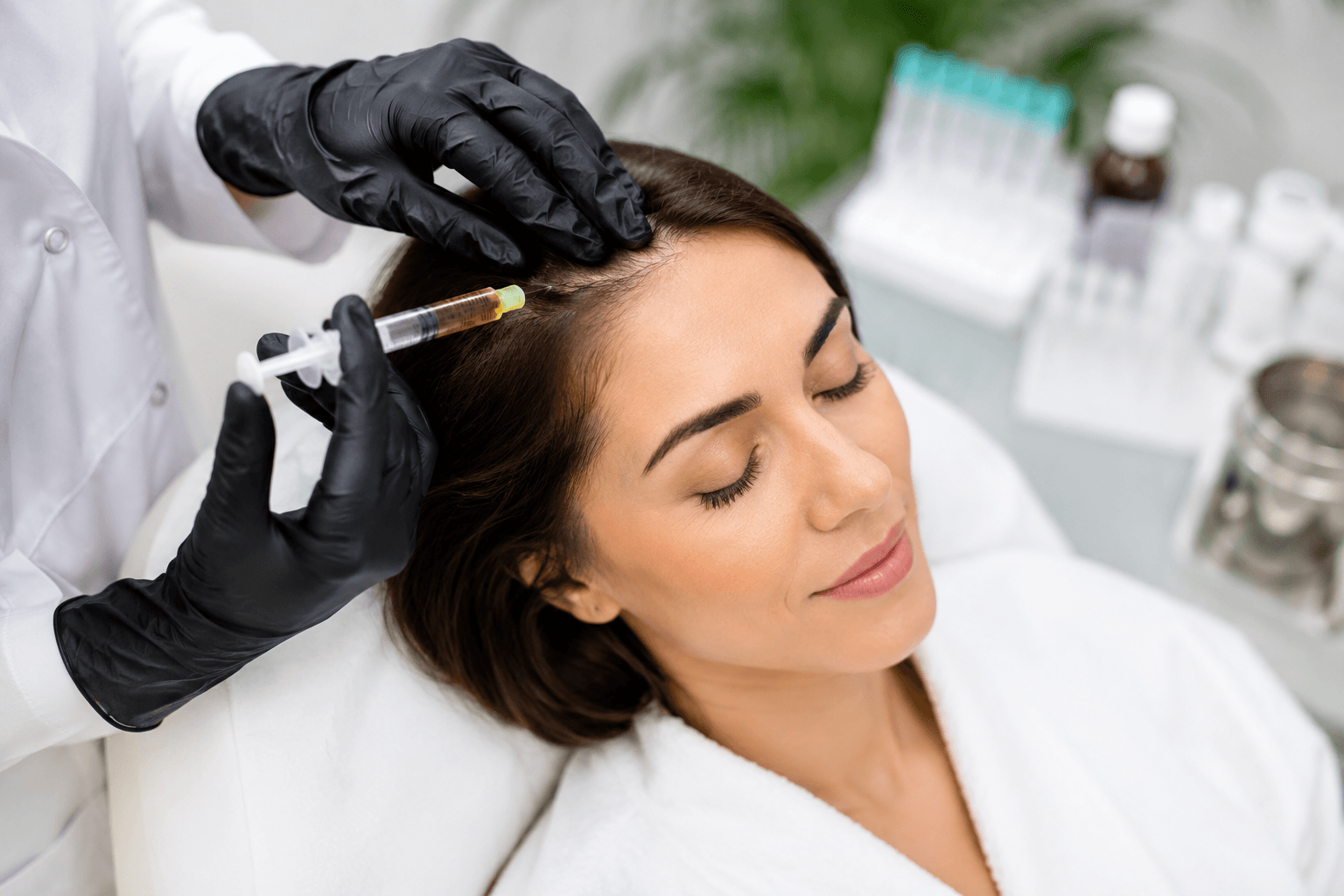
The concentrated PRP is carefully injected into targeted areas experiencing thinning.
Step 4: Recovery
Most patients return to normal activities shortly after treatment.
Some mild redness or tenderness may occur, but downtime is generally minimal. Many patients appreciate being able to fit treatment into a busy schedule without significant disruption.
How Long Does It Take to See Results?
Patience is important with any hair restoration treatment.
Unlike cosmetic procedures that create immediate visible changes, PRP works by supporting the natural growth cycle of the hair follicle.
Many patients begin noticing improvements within three to six months. Benefits may include:
- Reduced shedding
- Increased hair thickness
- Improved density
- Healthier scalp conditions
- Fuller-looking hair
Results vary based on age, genetics, the severity of hair loss, and consistency with recommended treatments.
Can PRP Be Combined With Other Treatments?
Absolutely.
Many providers recommend combining regenerative treatments with complementary therapies to maximize results.
Examples may include:
Microneedling
Microneedling creates controlled micro-injuries that stimulate healing responses and may enhance the absorption and effectiveness of regenerative therapies.
Medical Hair Growth Programs
Prescription or topical therapies may help support ongoing follicle health.
Lifestyle and Nutritional Support
Addressing nutritional deficiencies and managing stress can improve overall treatment outcomes.
A customized approach often delivers better results than relying on a single treatment alone.
How Is PRP Different From Other Popular Aesthetic Treatments?
Patients visiting a modern Medspa often seek solutions for multiple concerns, including aging skin, pigmentation, and hair restoration.
While PRP focuses on hair growth and regenerative healing, other treatments address different goals:
- Botox and other Neurotoxins help soften dynamic facial wrinkles.
- Dermal Fillers restore volume and facial contours.
- Sculptra stimulates collagen production for gradual facial rejuvenation.
- Laser Hair Removal reduces unwanted hair growth.
- Laser Skin Resurfacing improves texture, fine lines, and sun damage.
- Chemical Peel treatments help refresh the skin's appearance.
These treatments may be offered alongside hair restoration services, allowing patients to address multiple aesthetic concerns through a comprehensive treatment plan.
Why More San Diego Patients Are Choosing Regenerative Hair Treatments
Living in Southern California often means maintaining an active, outdoor lifestyle. Many individuals want effective treatments that fit into their schedules without lengthy recovery periods.
PRP appeals to patients because it offers:
- A non-surgical approach
- Minimal downtime
- Natural regenerative benefits
- Personalized treatment plans
- Compatibility with other aesthetic procedures
As awareness of regenerative medicine continues to grow, PRP remains one of the most discussed solutions for individuals experiencing early signs of hair thinning.
FAQs About PRP Hair Restoration
Does PRP work for both men and women?
Yes. PRP is commonly used to treat hair thinning in both men and women. Results vary by individual, but many patients experience improved density and reduced shedding when treatment begins early.
How many PRP sessions will I need?
Most treatment plans involve a series of sessions spaced several weeks apart, followed by maintenance treatments as recommended by your provider. The exact number depends on the severity of hair loss and your goals.
Is PRP hair restoration painful?
Most patients tolerate treatment well. Providers often use techniques to minimize discomfort during injections, making the procedure relatively comfortable.
Can PRP completely reverse hair loss?
PRP is not a cure for every type of hair loss. However, it can significantly improve hair density and follicle health for many individuals experiencing early to moderate thinning.
Can I combine PRP with Microneedling?
Yes. Many patients combine Microneedling with PRP / PRF treatments because the therapies may complement one another and support enhanced regenerative results.
How do I know if PRP is right for me?
The best way to determine candidacy is through a professional consultation. An experienced provider can evaluate your scalp, identify potential causes of hair loss, and recommend the most appropriate treatment plan.
More Than a Hair Story, It's a Confidence Story
Hair thinning can affect confidence, self-image, and how you feel every day. Fortunately, modern regenerative treatments offer promising solutions that go beyond temporary fixes.
For many patients, PRP / PRF therapy provides an opportunity to strengthen existing hair, improve density, and support healthier follicle function without surgery. If you've started noticing increased shedding, thinning areas, or a widening part, seeking treatment early may provide the best opportunity for long-term improvement.
The first step is understanding the cause of your hair loss and exploring options that align with your goals, lifestyle, and expectations.