

Hair Transplant Before and After: What Real Results Actually Look Like
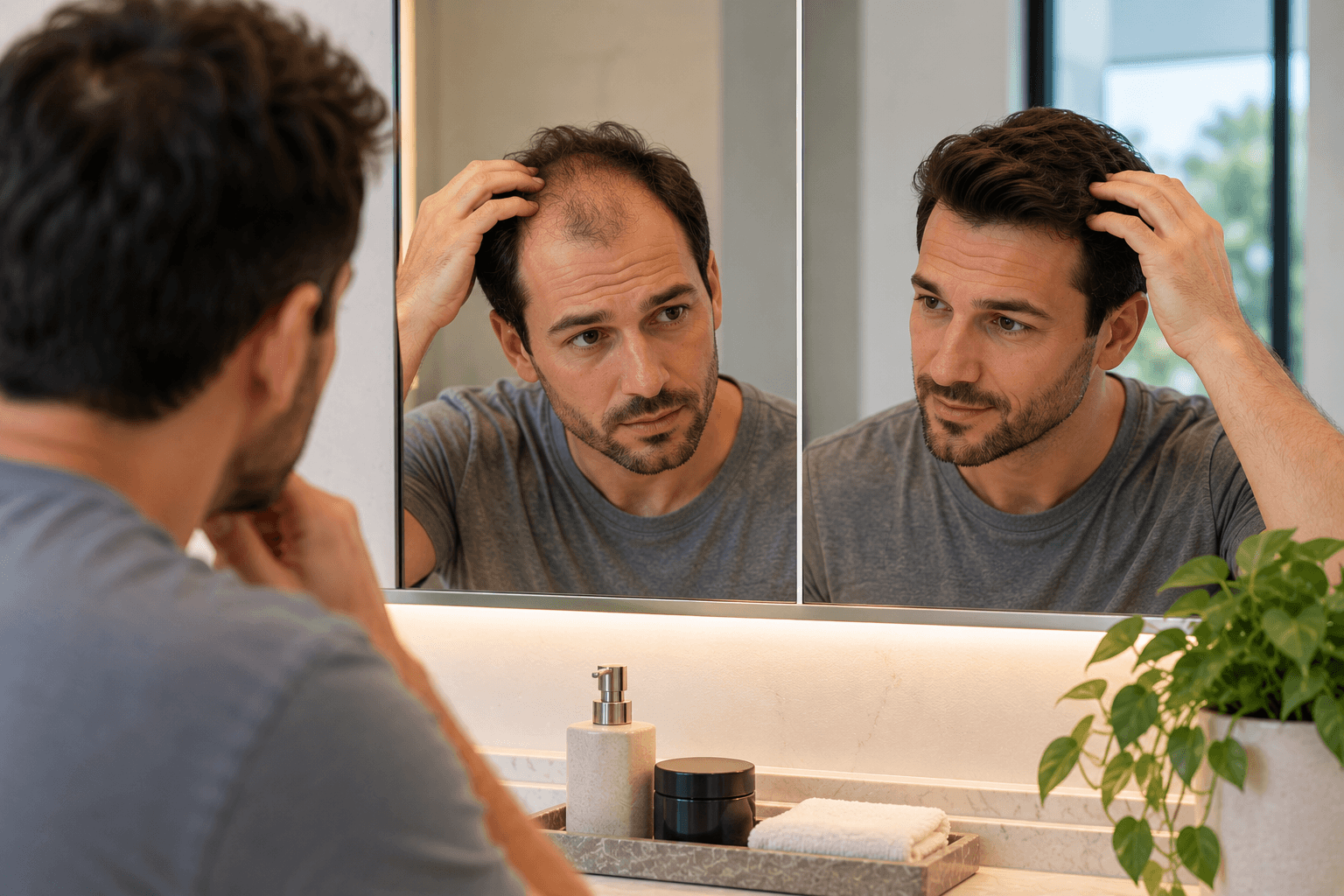
Before and after photos are often the deciding factor for people trying to figure out whether a hair transplant is worth it. It makes sense. Reading about follicular units and growth cycles is one thing, but seeing what actual results look like over time is what turns curiosity into confidence. If you've been scrolling through hair transplant before and after photos trying to understand what's realistic, here's what you should actually know about the process behind those images.
What Should You Look for in Hair Transplant Before and After Photos?
Not all before and after photos tell the full story. When evaluating results, pay attention to lighting consistency between the two photos, the angle and hairstyle used in each shot, and how much time passed between them. A credible result should show photos taken under similar conditions, ideally with a timestamp indicating how many months post-procedure the "after" photo represents, since hair transplant results take time to mature and a three-month photo will look very different from a twelve-month photo.
You can see real examples of results from our practice on our before and after page.
What Does the Hair Transplant Timeline Actually Look Like?
Understanding the timeline is key to setting realistic expectations, because the "after" in before and after photos isn't a single moment, it's a process that unfolds over about a year.
The First Two Weeks
Right after an FUE hair transplant, the scalp will show tiny scabs at each graft site, and mild redness or swelling is common. Most patients return to normal daily activities within a few days, though strenuous exercise is typically restricted for a couple of weeks.
Weeks Two to Eight: The Shedding Phase
This is the part that catches new patients off guard. Around two to four weeks after the procedure, transplanted hairs typically shed. This is completely normal and expected. The follicle itself remains intact beneath the skin; it's just the hair shaft that falls out temporarily before the follicle enters a new growth cycle.
Months Three to Six: New Growth Begins
New hair growth generally starts appearing around the three-month mark, though it can vary by individual. At this stage, hair often looks fine or thin, similar to new baby hair, and continues to thicken over the following months.
Months Six to Twelve: Results Mature
The most accurate "after" photos are typically taken between nine and twelve months post-procedure, once the transplanted hair has had time to reach its natural thickness, texture, and growth pattern. This is why patience matters so much with hair restoration, results that look underwhelming at four months often look completely different by month ten.
What Factors Affect How Good Your Results Will Look?
Donor Hair Quality and Density
The quality, thickness, and density of hair in the donor area (usually the back and sides of the scalp) directly impacts how many grafts are available and how full the final result can look.
The Skill of the Hairline Design
Two patients with identical donor hair can have very different-looking results depending on how thoughtfully the hairline was designed. Natural results depend on proper angling, density distribution, and an age-appropriate hairline shape rather than simply placing as many grafts as possible.
How Well Post-Procedure Care Is Followed
Following proper aftercare, including how the scalp is cleaned, when physical activity resumes, and avoiding anything that could dislodge healing grafts, plays a real role in how well the transplant takes. You can review what's involved on our post-transplant care and follow-up page.
The Number of Grafts Transplanted
The extent of hair loss being addressed and the number of grafts used both affect the final density achievable in a single session. This is discussed in detail during your consultation based on your specific pattern of loss.
Is FUE the Only Hair Transplant Method?
At California Hair and Skin Institute, we use the FUE method with the NeoGraft system, which extracts individual follicular units rather than a strip of scalp tissue. This approach typically results in minimal scarring, a quicker recovery, and more natural results when compared to older strip harvesting methods. You can learn more about the procedure on our FUE hair transplant page.
Can a Hair Transplant Be Combined With Other Treatments for Better Results?
Many patients pair their transplant with PRP or PRF therapy, either around the time of the procedure to support graft survival or afterward as ongoing maintenance to protect the density of surrounding native hair. This combination approach is one reason results can continue to look better well past the one-year mark. More detail is available on our PRP and PRF page.
Who Is a Good Candidate for a Hair Transplant?
Good candidates typically have sufficient donor hair density, realistic expectations about the timeline involved, and hair loss that has progressed enough that non-surgical treatments alone wouldn't achieve the desired density. A consultation is the only reliable way to know whether you're a strong candidate, since donor supply and pattern of loss vary significantly from person to person.
What Should You Ask to See Before Choosing a Provider?
Before committing to any provider, it's reasonable to ask to see before and after photos specifically from patients with a similar hair type, loss pattern, and ethnicity to your own, since hair texture and density affect how results ultimately look. It's also worth asking how long after the procedure each "after" photo was taken.
Getting Your Own Before and After Story Started
If you're in San Diego, California, and trying to figure out what a realistic outcome could look like for your specific situation, the best next step is a hair restoration consultation. We'll evaluate your donor area, discuss your goals, and walk you through examples of results similar to what you could expect. You can schedule a visit through our hair restoration consultations page.
Frequently Asked Questions
How long after a hair transplant do you see final results? Most patients see close to their final result between nine and twelve months after the procedure, though hair can continue to improve in thickness slightly beyond that.
Why does transplanted hair fall out a few weeks after the procedure? This shedding phase is a normal part of the hair growth cycle. The follicle remains healthy beneath the skin and will produce new hair growth in the following months.
Do before and after photos always show the same lighting and angle? They should, for accuracy. Reputable practices take consistent photos under similar lighting and angles specifically so results can be fairly compared.
Can I see before and after photos of patients with hair similar to mine? Yes, this is a reasonable request to make during a consultation, since hair texture and density affect how a transplant ultimately looks.
Is one hair transplant session usually enough? Many patients achieve their desired results in a single session, though some choose a second session later on to increase density further, depending on their goals and available donor hair.
The Real Before and After Is a Year, Not a Day
Hair transplant before and after photos can be genuinely inspiring, but the most important thing to understand is that real results are a twelve-month story, not an overnight transformation. If you're ready to start writing your own version of that story, we'd love to help you get there with a plan built around your hair, your timeline, and your goals.